🚩 Decision Rights in organizations break with AI agents running around.
Most organizations already have decision rights.
• Who owns the decision
• What authority they actually have
• What actions are allowed right now
That is not the real problem (in most organizations).
The real gap starts when AI agents begin making decisions and executing actions.
Traditional decision rights were designed for humans based on context:
• Amount
• Threshold
• Customer Level
• Compliance Rules
• Active Policies
• Business Objectives
And they are forced based on processes, procedures and policies in place.
⭕ But AI agents do know that.
⭕ Those cannot be enforced at prompt or RAG.
⭕ They are not agent orchestration concerns either.
An AI agent may technically have authorization to act but should not bypass decision rights.
The real question is:
…What action for this agent is admissible right now in this specific situation?
That is the missing layer in most AI architectures.
🔹 Decision Rights:
Who owns the authority.
🔹 Admissibility:
Is the agent allowed to take this action at runtime for this specific situation?
🔹 Best Admissible Action:
What are the possible admissible actions available for this agent at runtime for this specific situation?
This is one of the biggest shifts organizations will face with AI agents.
The challenge is no longer only controlling access to database and API.
💡 It is context-dependent, policy-driven behavior enforcement at runtime based on business context.
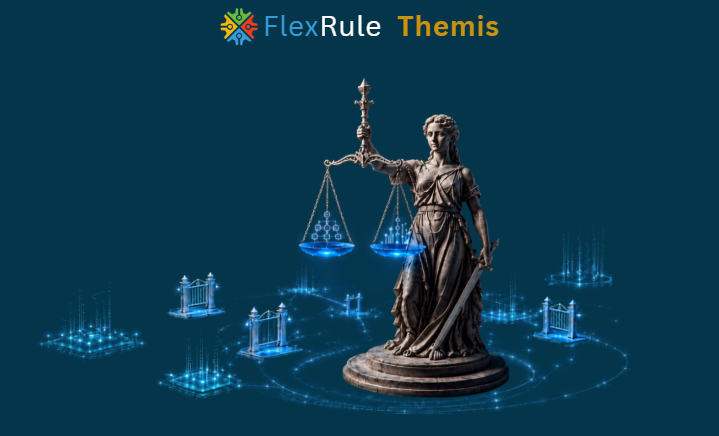
That is what 2-gates control for AI agents solves in #DecisionGovernance.
It is governing behavior at runtime based on context.
👉 Read more at https://lnkd.in/gvs8cguq
–
Follow the “Uncle of DI” if you're looking for unfiltered insights into #DecisionIntelligence, #AI, and #DecisionAutomation. Hit the 🔔 on my profile to get notified about my daily posts.
Posted here.
Published August 3rd, 2026 at 07:30 am