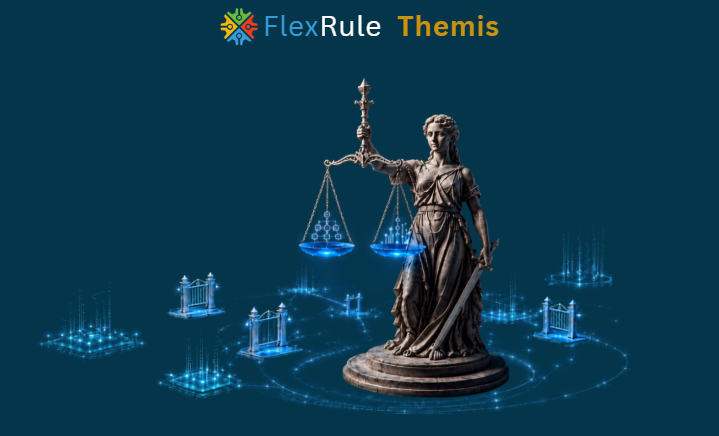
💣 Decision Governance protects and enforces decision.
In an AI-driven organization, the system is making decisions.
Refunds. Approvals. Risk classifications. Offers. Pricing.
The question is no longer:
“Who can access the API?”
The real questions are:
• Who authorized?
• Under which role?
• What data is used?
• In which environment?
• Deciding by which version?
• Under what runtime conditions?
• Based on what set of business rules?
• How this impacts downstream decisions?
💥Because an AI agent does not just read data.
It acts.
And when it acts, it moves money, changes risk exposure, and impacts customers.
If you cannot answer:
• With which data
• Who exercised authority
• On which decision asset
• Under what circumstances
• Based on which approved version
• Why certain outcomes reached or not
🚩Then you do not have decision governance.
Don't confuse decision governance with access control.
The #DecisionGovernance ensures:
• No data is used without scope
• No model trains without boundary
• No asset deploys without authority
• No decision executes without clarity
• No action is taken without authorization
✅ Every action execution is authorized and traceable.
✅ Every decision is accurate, consistent and transparent.
This is the difference.
–
Follow the “Uncle of DI” if you're looking for unfiltered insights into #DecisionIntelligence, #AI, and #DecisionAutomation. Hit the 🔔 on my profile to get notified about my daily posts.
Posted here.
Published February 27th, 2026 at 07:30 am